|
 |
| |
|
| |

|
| |
|
| |
|
|
It’s always been today. What we call the past and the future, all is but the reflection and pursuit of today. Just as Einstein said, “the distinction between the past, present and future is only a stubbornly persistent illusion.” It’s you, at this very moment, that give meanings to the past and the future. It’s tomorrow to yesterday, it’s truly living, a string of “the present” that has yet to take place.
The truth is, the expression today decides the colors and connotations of the past. An artist is more like one who awaits the time, a philosopher in life, who leaves his most touching chapters on canvas. Be it realistic or abstract, we say that the impression of realism to an extreme is real abstraction. But each eye sees differently, and each face composes its own structure. The future of the past has no beginning nor an end…
|
|
|
|
| |
|
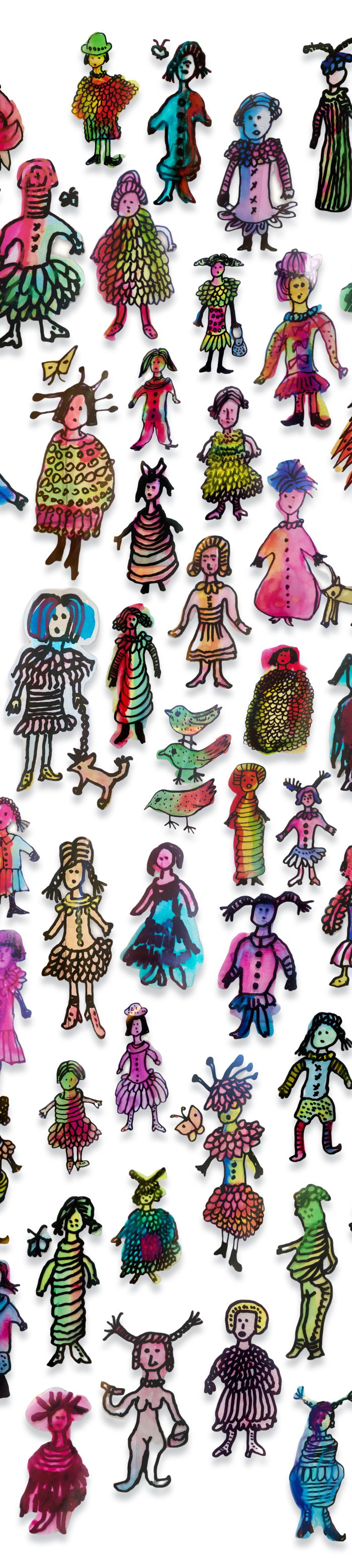
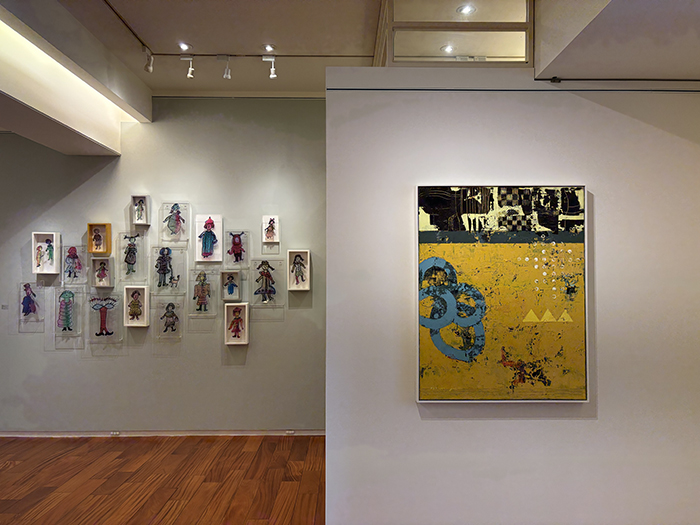
In Yayoi Kusama, it’s not just the dots, but “Kusamatrix”. And she does so with lavish, vibrant colors and ever-changing shapes, transforming the girls as if marching on the runway into a microcosmos of her imagined youth. All the fashion and vivid spirits are reflections of Kusama’s yearning for a happy and youthful girlhood she never had. Each solid and distinct image is a gaze at a past time; it also bears Kusama’s imagination and deep desires of youth.
|
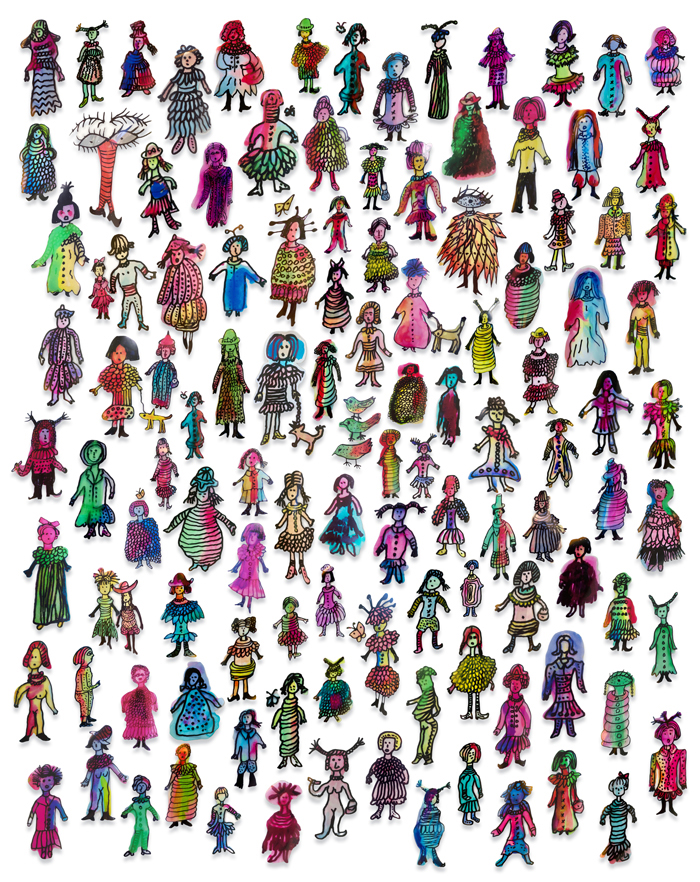 |
Kusama Yayoi KUSAMATRIX Dolls 2003 Celluloid
|
|
|
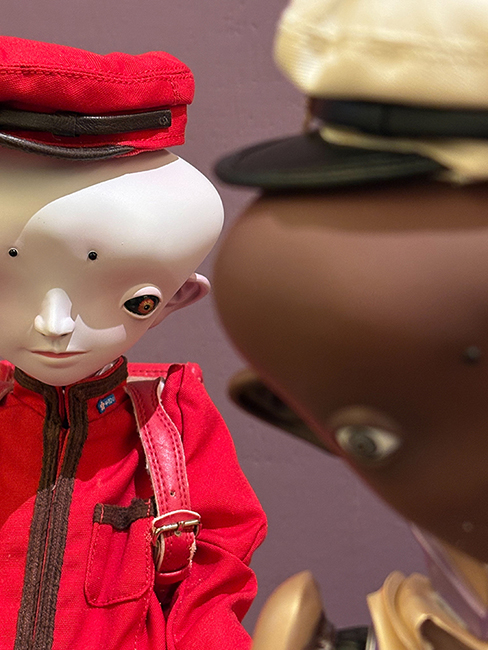
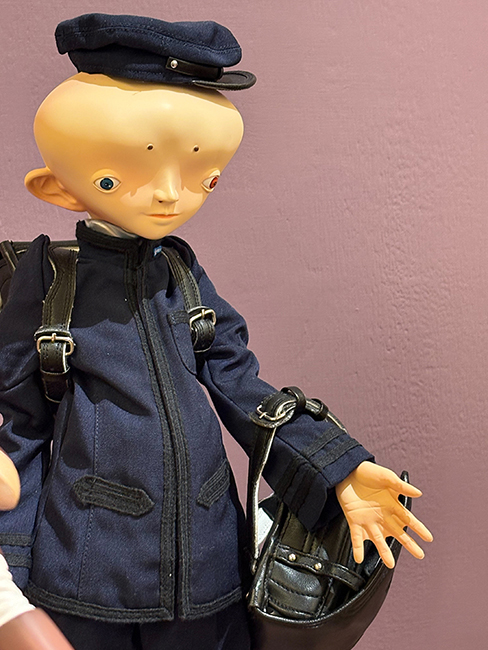
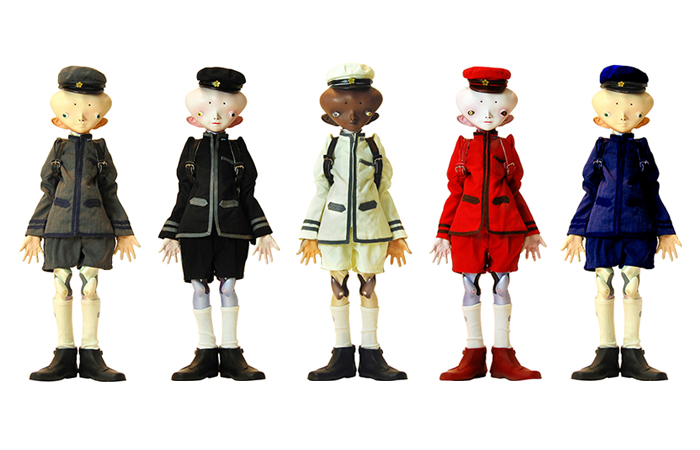
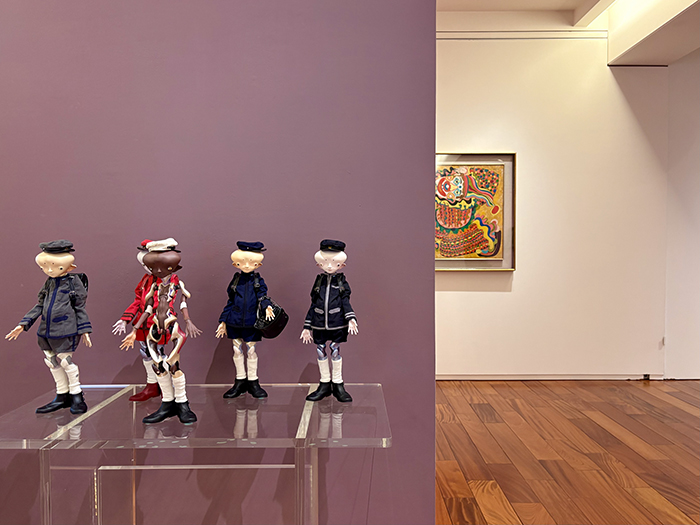
Takashi Murakami Inochi Doll Victor/Zhang/Yamamoto/Bob/David 37x15x9cmx5 2009 NP-PVC/Iron plate/cotton/nylon
|
|
Seventeen years ago, Takashi Murakami made Inochi, a peculiar sculpture with its unique shape between human, doll, and machine, and it stood for his projection of future technology. All the students wearing uniforms of all colors with schoolbag on their back signify/indicate Murakami’s tracing of human life. And when they had their uniforms taken off, it’s actually we facing ourself, with muscles like machines. With A.I. and virtual technology more and more saturated into our life, we are compelled to rethink the nature of life. And when the machines are more “lifelike”, we are compelled to once again redefine the thin line between human beings and technology.
|
|
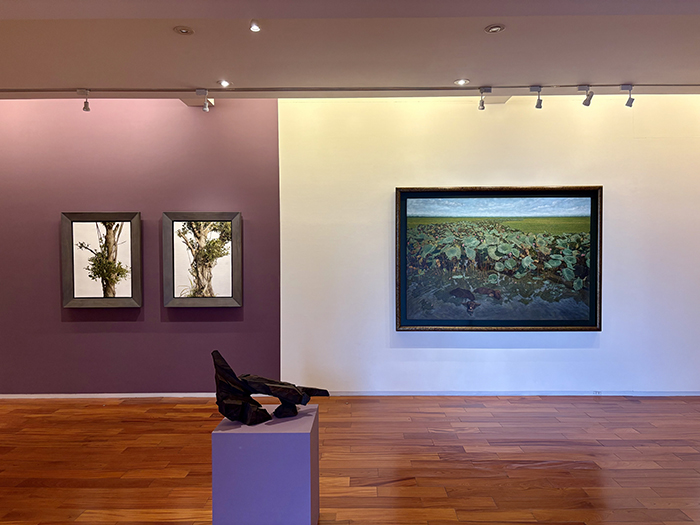
Wang Pan Youn A Buffalo in the Water 80x100cm 1978 Oil on Canvas
|
|
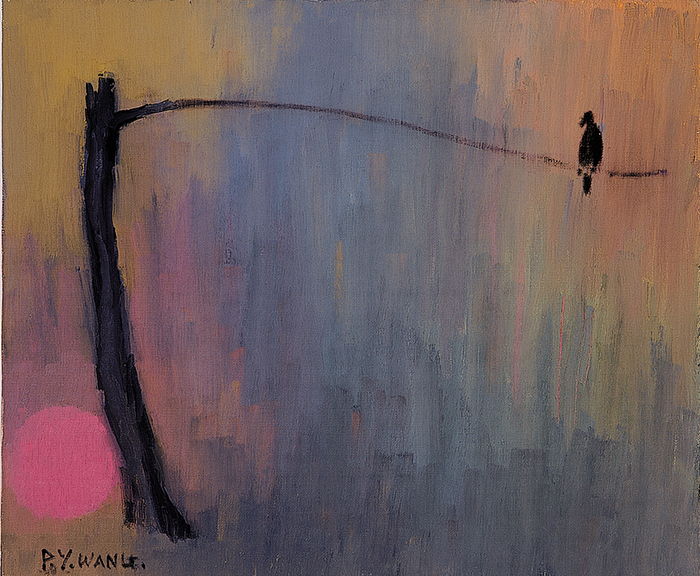
Wang Pan Youn The Sun and Bird 45.5x38cm 1998 Oil on Canvas
|
|
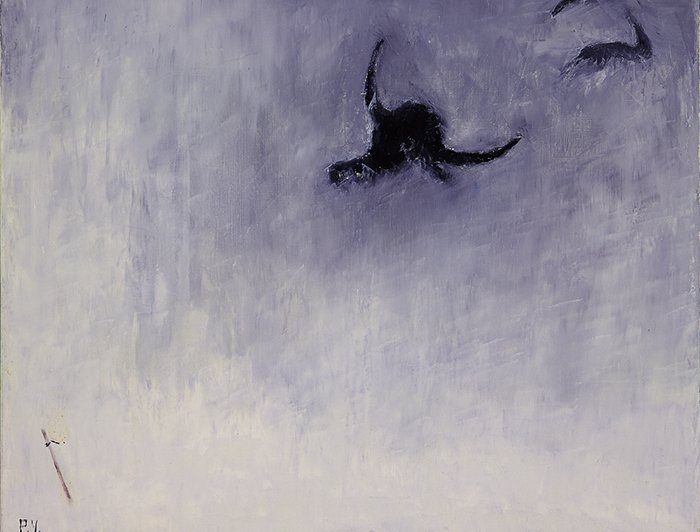
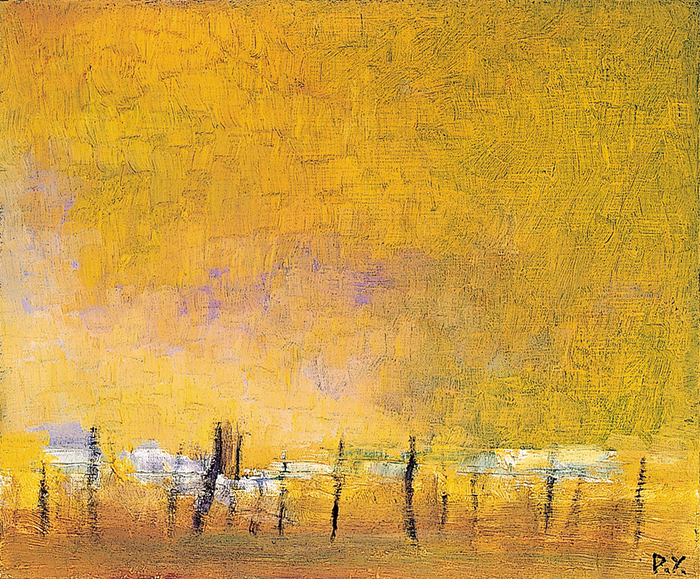
As for Wang Pan Youn, with his unique approach to make shapes with colors, color is never simply a color. There is no line but delicate and layers upon layers of brush touches, which together make a deep, far and serene space. That is a space telling at once the vastness and lonesomeness of a drop in the ocean. On his canvas, the birds, the sun, the water buffalos and the trees, with Wang’s touches and tints, all become ambiguous images and imaginations in this desolate, lonesome landscape.
|
|
|
|
|
|
| |
Wang Pan Youn Winter Grassland 45.5x38cm 2000 Oil on Canvas
|
| |
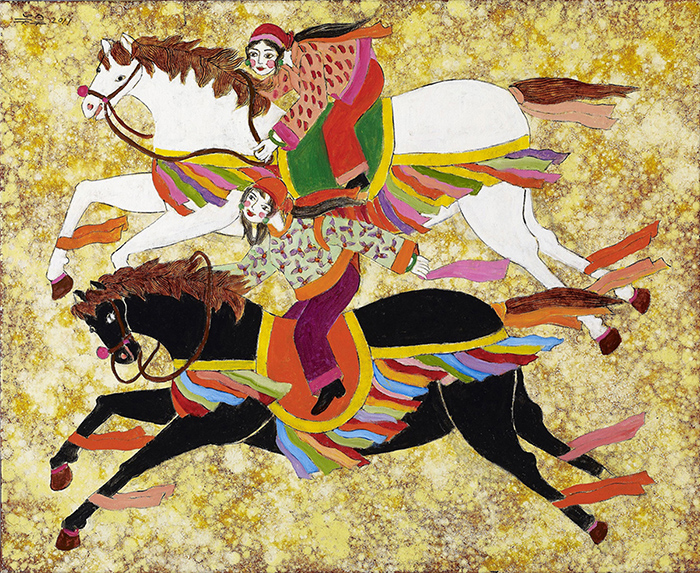
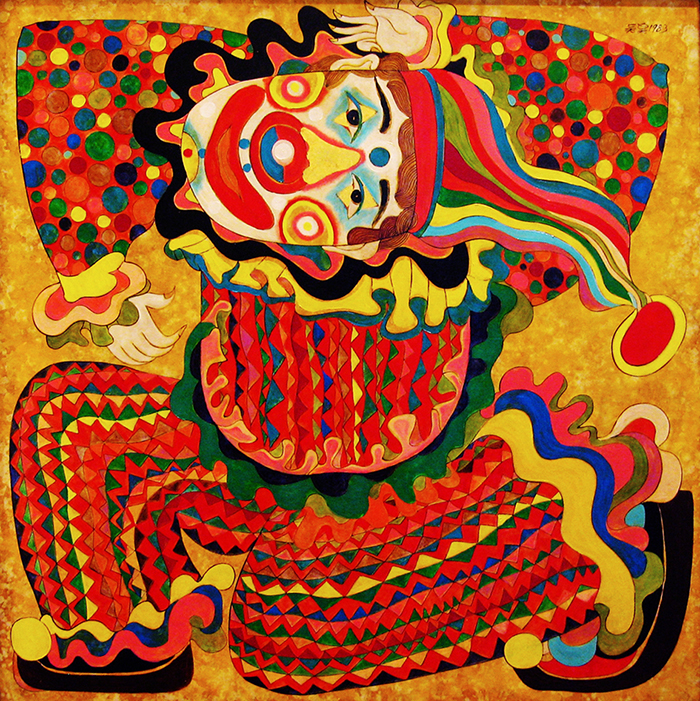
Wu Hao’s painting appears to be constantly splendid scenes of peculiar elegance but also banal tawdry qualities. He would use bright primary colors to depict ordinary people and folk life scenarios, along with a lively cheerful aura. Whether it’s flowers, children or old houses, the memories always stay in the abundant, wonderful moments. Even for the clown, entertaining the crowd when he may be somewhat bitter, he would act a joyful look and display an expressive stretching body. His black lines swim through rich colors and abstract backgrounds like iron wires, making divisions and balancing at the same time, and they shape images so merry that they are breathtaking. And Wu does so by merging the multi-view techniques from Eastern scroll painting and one-point perspective from three-dimensional sketch of the West. He would crush the subjects flat in the same space, make the time and space suddenly still, and yet he would create a visual effect of multiple perspectives, making rhythmic dynamics with the viewers.
|
|
|
| |
Wu Hao Horse Riding 65x80cm 2011 Oil on canvas
|
| |
|
| |
Wu Hao Clown 82x82cm 1983 Oil on canvas
|
| |
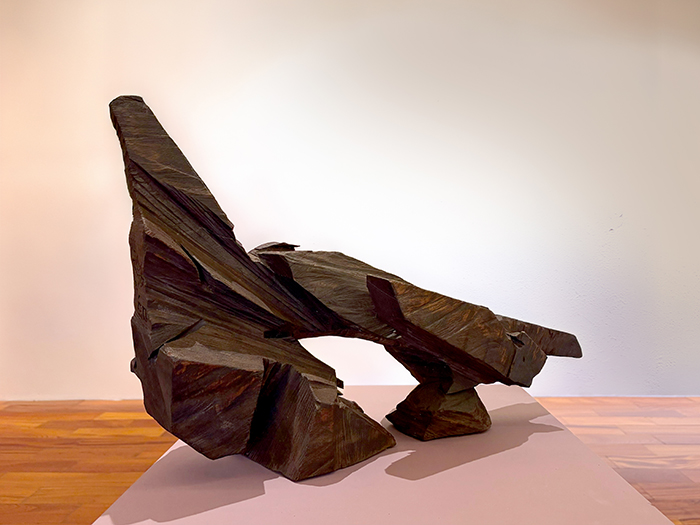
And there is Ju Ming, whose Taichi Boxing transforms and transcends shapes unto the sublime, expressing the strengths and rhythms of all the motions in Taichi with his simplistic, minimalist shapes. Two men pull and push one another, their offense and defense conflated with one another. In their simple, allegedly artless look, they build enormous and powerful kinesis, by which they embody the spirit of Taichi in yin and yang making reinforcing one another. Such balance as well as combination of strength and gentleness is what makes Ju’s art entail constant flows of life within its stillness.
|
| |
 |
| |
Ju Ming Taichi Boxing 78x21x40(H) cm(68x21x40H cm) 1990 |
| |
Yet in Jang Tarng-Kuh it’s delicate realism, the lush, exuberant lotus pond is turned into a lively “theater of nature”, a stage of life. Layers upon layers of lotus leaves together with lotus flowers in blossom and in buds structure the depth of this stage, as the birds, dragonflies and all the little creatures traversing in between like characters accidentally onstage. They all contribute to this quiet, serene natural scene with subtle yet lavishplots. Jang nicely captures the moments of nuanced changes in nature with his layers of light, shadow, color and details; while appreciating the overall scenery, following Jang’s flow of plots, his viewers also get to discover all the moments in life.
|
| |

|
| |
Jang Tarng-Kuh Roadside Theater Flowers Bloom and Fall 162x162cm 2013-2014 Oil on canvas |
| |
Now we turn to Wu Tien-Chang, an iconic artist of his time, whose art bears the memories of an era. Revisiting and re-envisioning historical figures and social images, Wu situates his personal experiences in historical contexts and reconsiders historical development, social changes and collective memories. His thick and forceful touches are embedded with solid and compelling codes of the time.
|
| |

|
| |
Wu Tien-Chang Japan Colony Age 73x61cm 1991 Oil on canvas |
| |

|
| |
Wu Tien-Chang Ancestor Series ~ Toward Taiwan across the Ocean 53x45.5cm 1991 Oil Painting |
| |
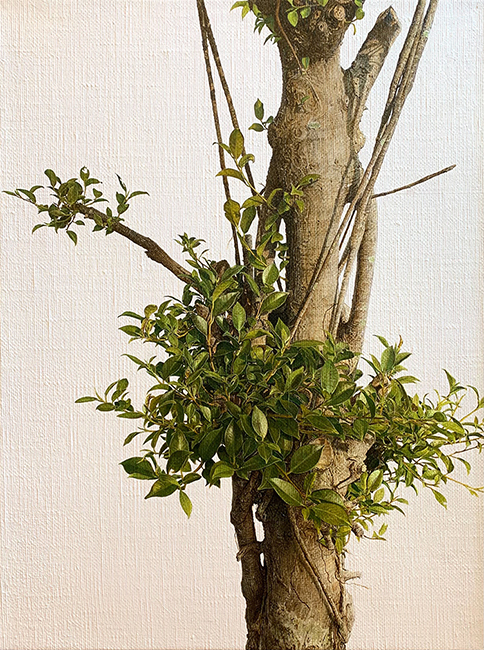
In contrast, Lu Hsien Ming of late would portray banyan tress with a surrealistic approach. He does so by removing all the concrete settings, and with this the entire focus is cast toward the segment of life like under a spotlight. And we see more than just the memory of and sentiments toward the banyan trees. Through Lu’s art, the banyan tree becomes a silent witness, overseeing the city, its change through time; with this, the tree also saves the memories of the land, of the people. Here, the traces of time and thriving life forces overlay one another, and all make the nature under Lu’s portrayal more than simply sketches; they are the gazes into time, the land, and collective memories.
|
| |

|
| |
Lu Hsien Ming Sunbound 80x60cm 2021 Oil on canvas |
| |
|
| |
Lu Hsien Ming Blooming 80x61cm 2021 Oil on canvas |
| |
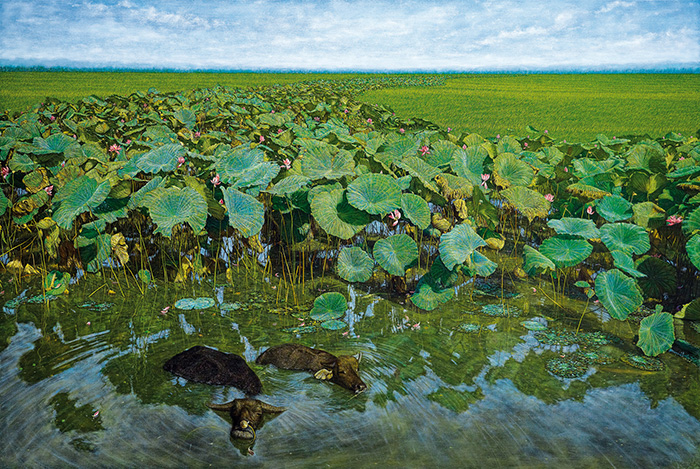
Then there is Huang Ming Chan. In his painting, it’s always breezes and paddy fields under the bright, shining sun. Carefully plowed and planted rice swaying in the vast land, under the wide sky, with the sunlight penetrating through the cracks blown open by the wind. The rice crop extending beyond the horizon speaks to us waves upon waves of life in the field. The time is stolen; the water buffalos in the lotus pond are ignorant, as are the flying insects and flowing dragonflies. And Huang makes us see all that with his sable brushes through the canvas like plows over the field; there is no specific time and space, and each inch of his frame is a far look of his memories, so serene and so beautiful. It’s sighs in the autumn but all hidden in every standing withered lotus. The world was once so alive and romantic, and Huang preserves all the wonderful imprintsin the long, long river we call time.
|
| |
|
| |
Huang Ming Chan Leisurely Floating 130x194cm 2004 Oil on canvas |
| |
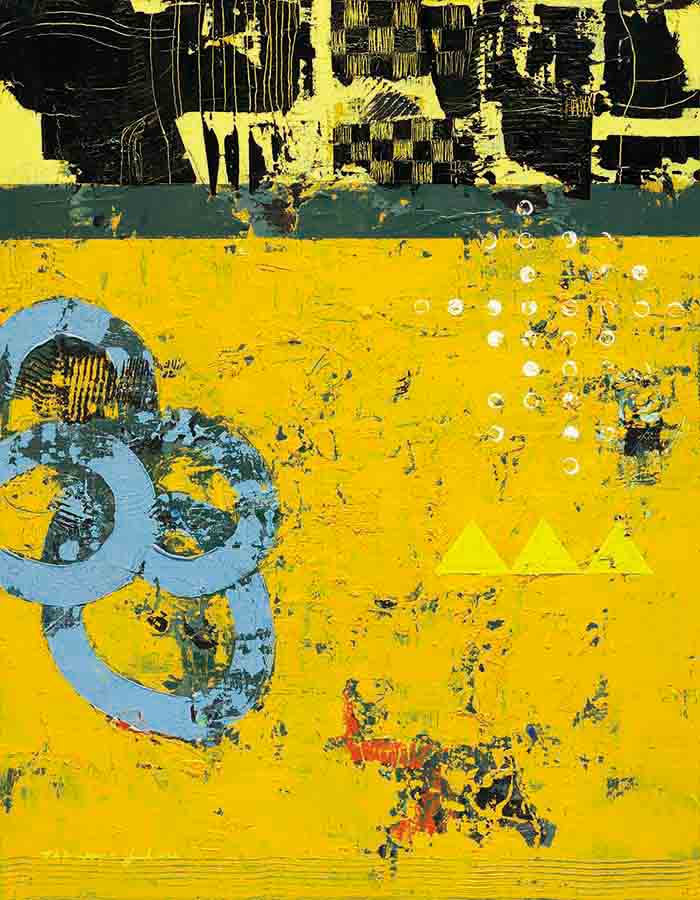
Last but certainly not least, Tao Wen Yueh gives us a painting more than just a portrayal of shapes but a way to transform thinking. In his painting, Tao employs modern visual vocabularies and gradually transforms indescribable feelings and ideas into the lines, colors and symbols in his frame. And Tao does so by his particular texture and composition that he tells ancient yet new, refreshing legends, one after another.
|
| |
|
| |
Tao Wen Yueh World of Symbol 116.5x91cm 2020 Oil on canvas |
| |
There is no future without stories. The future of future may be unrealistic and inexplicable; when it can be mysterious, it may actually be right ahead of us, awaiting our exploration and uncovering something new with our curiosity. Artists accomplish a future with the past, and in that future are hidden codes of the universe and poems that touch our soul. No matter how time passes and how history flows, all the memories in life that we call the “present” will never be erased. The future of the past is currently ongoing, now.
|
| |
|
| |
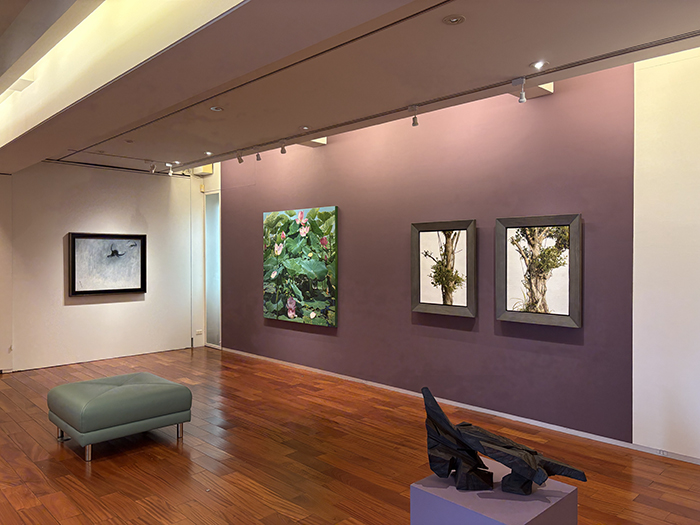
*Show Room*
|
| |
 |
| |
| |
 |
| |
| |
 |
| |
|
| |
 |
| |
|
| |
 |
| |
|
| |
 |
| |
|
| |
 |
| |
|
| |
|
| |
|
|
|
|